Watching someone you love struggle with drugs or alcohol is one of the most painful experiences a family member or friend can face. One of the hardest parts is not knowing for certain whether what you are seeing is actually addiction — or something else entirely. This guide explains the physical, behavioral, and emotional signs of drug and alcohol addiction in plain language, and walks you through exactly what to do if you believe someone you love needs help.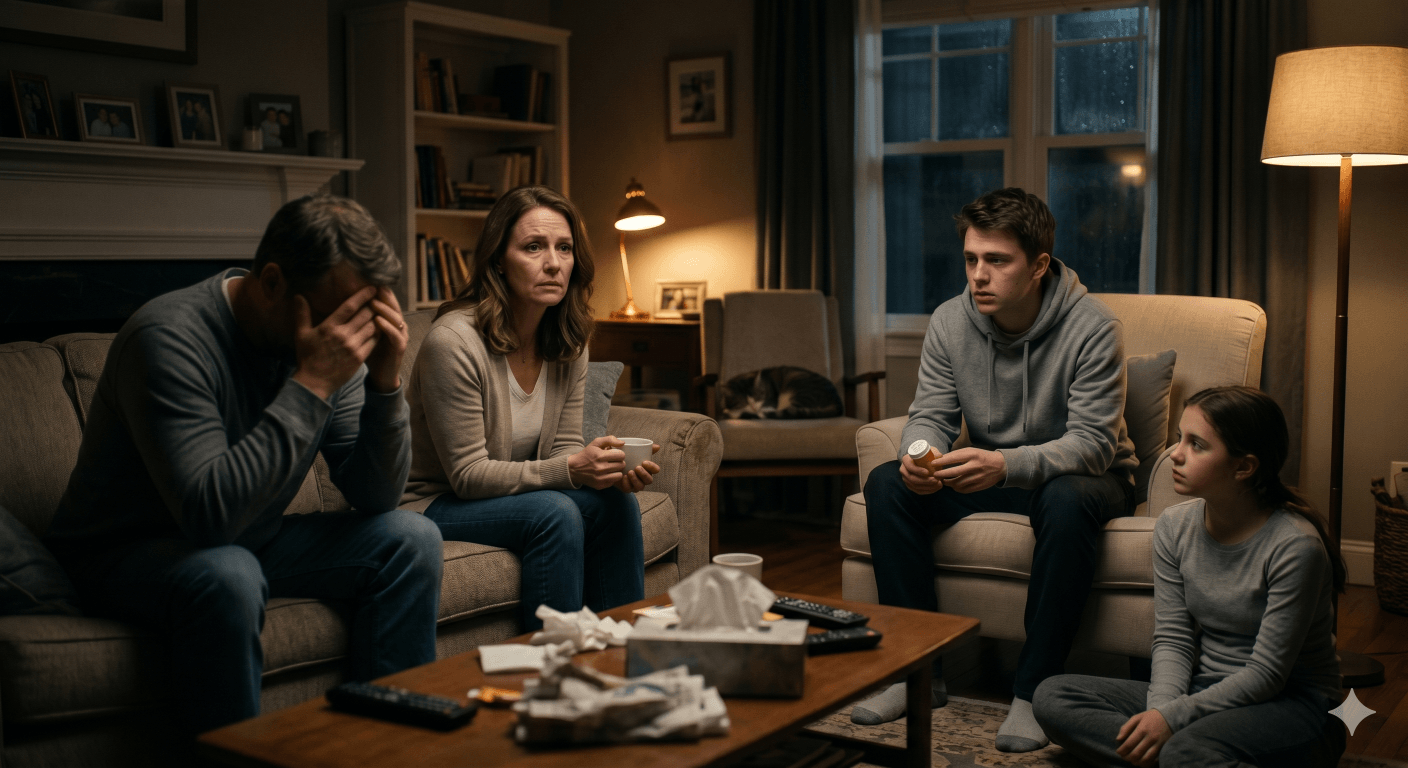
Signs of drug addiction in a loved one
Addiction is a progressive condition — it gets worse over time without treatment, not better. The earlier a person gets help, the better their chances of long-term recovery. Families who recognize the signs early and take action can save their loved ones years of suffering and dramatically improve treatment outcomes. Waiting and hoping the problem resolves itself rarely works and often allows the addiction to deepen before help is sought.
Physical Signs of Drug or Alcohol Addiction
The body responds to substance abuse in ways that are often visible to people close to the person. Common physical signs of addiction include sudden or significant weight loss or gain without explanation, bloodshot or glazed eyes, pupils that are unusually large or unusually small depending on the substance being used, deteriorating physical appearance and declining attention to personal hygiene, unusual smells on breath, clothing, or in living spaces, frequent nosebleeds or sniffling unexplained by illness (common with substances used nasally), track marks or bruises on arms or legs (common with intravenous drug use), tremors, shaking hands, or poor physical coordination, sleeping far more or far less than usual, and frequent illness or a weakened immune system as the body is depleted by substance use.
Behavioral Signs of Drug or Alcohol Addiction
Behavioral changes are often the most noticeable early signs that something is wrong. Common behavioral signs include secretive or suspicious behavior — hiding phone calls, locking doors, and unexplained absences; sudden changes in friend groups and abandonment of long-time friendships; loss of interest in hobbies, activities, or relationships that previously brought joy; declining performance at work or school with unexplained absences or missed deadlines; unexplained financial problems — borrowing money frequently, selling possessions, or money going missing; legal problems including DUI arrests, theft charges, or other criminal behavior connected to substance use; erratic or unpredictable behavior that seems out of character; and lying or making excuses about whereabouts, activities, and behavior.
Emotional and Psychological Signs of Addiction
Addiction affects brain chemistry in ways that produce visible emotional and psychological changes. Common signs include dramatic mood swings — euphoria followed quickly by irritability, depression, or aggression; increased anxiety, paranoia, or fearfulness without clear cause; personality changes that make the person seem completely different from who you once knew; emotional numbness or withdrawal from family and friends; defensiveness or aggression when asked about drug or alcohol use; loss of motivation and inability to feel pleasure in everyday activities (known clinically as anhedonia); and expressions of hopelessness, worthlessness, or suicidal thoughts, which require immediate action.
Signs Specific to Alcohol Addiction
Alcohol addiction has some specific signs beyond the general indicators above. These include drinking alone or in secret, needing to drink first thing in the morning or to function normally throughout the day, becoming angry or defensive when the subject of drinking is raised, continuing to drink despite relationship problems, health issues, or work consequences directly caused by alcohol, and physical symptoms of alcohol withdrawal when not drinking — including shaking, sweating, nausea, and anxiety — which indicate physical dependence and require medical supervision to manage safely.
Signs Specific to Opioid Addiction
Opioid addiction, including heroin, fentanyl, and prescription painkiller misuse, has distinct warning signs including constricted or pinpoint pupils, extreme drowsiness — nodding off mid-conversation or mid-activity, euphoria followed by sudden sedation, dramatically slowed breathing, needle marks on arms or legs, possession of drug paraphernalia including syringes, spoons, or small bags of powder, doctor shopping — visiting multiple doctors to obtain prescriptions, and withdrawal symptoms when not using, including severe muscle pain, nausea, vomiting, sweating, and anxiety.
Signs Specific to Stimulant Addiction
Stimulant addiction, including cocaine, methamphetamine, and prescription stimulant misuse, shows distinct signs including dramatically reduced appetite and rapid weight loss, excessive energy followed by severe crashes, dilated pupils, frequent nosebleeds, paranoia or extreme anxiety, erratic or aggressive behavior, staying awake for unusually long periods, and skin picking or repetitive movements commonly associated with methamphetamine use.
What Addiction Is Not
Before approaching your loved one, it is important to understand what addiction is — and what it is not. Addiction is not a moral failure, a choice, or a sign of weak character. It is a chronic brain disorder that changes the structure and function of the brain over time, making it genuinely difficult — not simply unwilling — to stop using. Understanding this changes how you approach the conversation and dramatically improves the chance of your loved one accepting help. Blaming, shaming, or issuing ultimatums out of anger almost never works and often pushes the person further away.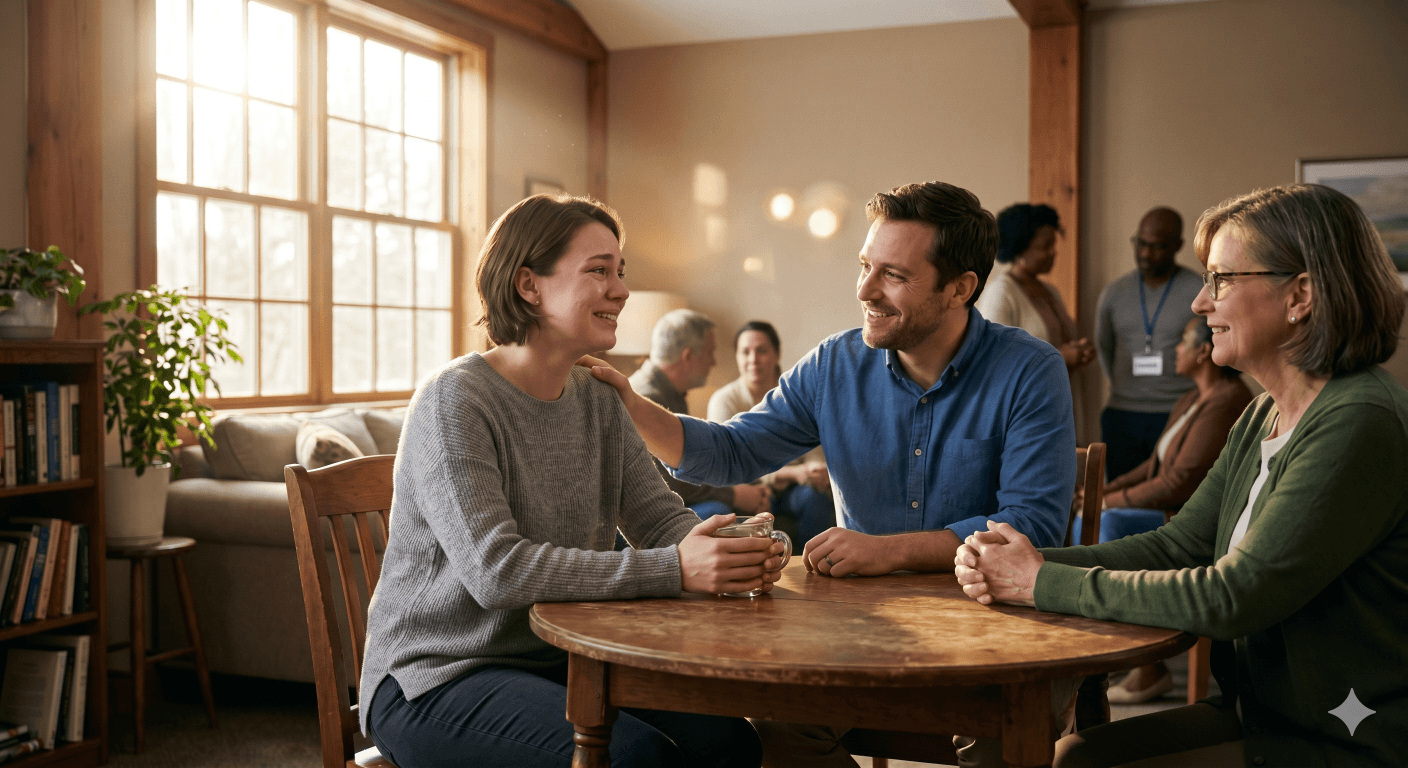
What To Do If You Think Someone You Love Is Addicted
Recognizing the signs is the first step — knowing what to do next is equally important. Here is a clear path forward.
Talk to Them with Compassion, Not Confrontation
Choose a calm, sober moment when your loved one is not under the influence. Use “I” statements rather than accusatory “you” statements — “I have been worried about you” lands very differently than “You have a problem.” Be specific about what you have observed without exaggerating or catastrophizing. Make it clear you are coming from a place of love and concern, not judgment or anger. Be prepared for denial — denial is one of the most common features of addiction and does not mean the conversation failed.
Do Not Enable the Addiction
Enabling means doing things that make it easier for your loved one to continue using without facing the natural consequences of their addiction. Common enabling behaviors include giving money that goes toward drugs or alcohol, making excuses for their behavior to employers, friends, or family, covering their financial obligations while they spend money on substances, and minimizing or denying the seriousness of the problem to yourself or others. Stopping enabling is not the same as withdrawing love — it means refusing to remove the natural consequences that may ultimately motivate your loved one to seek help.
Seek Professional Guidance
You do not have to navigate this alone. A professional interventionist, addiction counselor, or therapist specializing in substance use disorders can help you plan a structured conversation or formal intervention with your loved one. SAMHSA’s National Helpline at 1-800-662-4357 offers free, confidential guidance for family members of people with substance use disorders — not just for the person struggling themselves. Call them for advice on how to proceed.
Research Treatment Options in Advance
Before speaking with your loved one, it helps enormously to have treatment options already researched. Knowing what rehab looks like, what it costs, and what is available locally removes one of the most common reasons people delay getting help — not knowing what the next step actually is. Browse our free rehab centers in Florida or read our guide on how to get free rehab with no money or insurance to understand what options are available.
Take Care of Yourself Too
Living with or loving someone with an addiction takes a serious toll on your own mental and physical health. Al-Anon and Nar-Anon are free peer support programs specifically for family members and friends of people with addiction. These groups help you understand addiction, set healthy boundaries, and take care of your own well-being while supporting your loved one. Find a local Al-Anon meeting at al-anon.org or call 1-888-425-2666.
What To Do In an Emergency
If you believe your loved one has overdosed, call 911 immediately. Signs of overdose include unresponsiveness or loss of consciousness, very slow, shallow, or stopped breathing, blue or grey lips or fingertips, pinpoint pupils, gurgling or choking sounds, and a limp body. If naloxone (Narcan) is available, administer it immediately while waiting for emergency services. Naloxone is available without a prescription at most pharmacies across Florida and can reverse an opioid overdose within minutes. If you live with someone struggling with opioid addiction, keeping naloxone on hand is strongly recommended.
Common Questions From Families
Should I Force My Loved One Into Rehab?
In most cases, adults cannot be legally forced into treatment. However, in Florida, the Marchman Act allows family members to petition a court for involuntary assessment and treatment for a person who has lost control of their substance use and poses a risk to themselves. Contact a Florida attorney or call SAMHSA at 1-800-662-4357 to understand whether the Marchman Act applies to your situation.
What If My Loved One Refuses to Get Help?
Refusal is common and does not mean treatment will never happen. Continue to express concern without enabling, maintain boundaries, and keep the door open. Many people eventually seek help after the consequences of their addiction become impossible to ignore. A professional interventionist can help you plan a structured approach if direct conversation has not worked.
Is Rehab Really Effective?
Yes. Research consistently shows that addiction treatment significantly reduces substance use, improves health outcomes, reduces criminal behavior, and improves family relationships. Like other chronic conditions, treatment works best when it is sustained and comprehensive. Relapse does not mean treatment failed — it is a recognized part of the recovery process for many people and often leads to a more successful subsequent treatment episode.
How Do I Find Free Rehab for My Loved One?
Browse our complete directory of free rehab centers in Florida or call SAMHSA at 1-800-662-4357 for free, confidential guidance on treatment options in your area. If your loved one has no insurance, read our guide on how to get free rehab with no money or insurance for a full overview of available options.
You Are Not Alone
If you are reading this guide, you are already doing something — and that matters. Addiction affects millions of American families, and reaching out for information is the first step toward helping your loved one find a path forward. Call SAMHSA at 1-800-662-4357 for free, confidential guidance any time of day or night. Browse our Florida free rehab directory to find verified treatment options near you. And if you or your loved one is in immediate crisis, call or text 988 — the Suicide and Crisis Lifeline — available 24 hours a day, 7 days a week.

Rose Smith is a writer and editor with a passion for creating clear, informative, and engaging content. She specializes in health, wellness, addiction recovery, and lifestyle topics, helping readers make informed decisions through well-researched, easy-to-understand articles. With a strong editorial background and a commitment to accuracy, Rose focuses on producing trustworthy content that educates, inspires, and supports people seeking reliable information.